
What's that Ice?
Article and Photos by Richard Stromberg
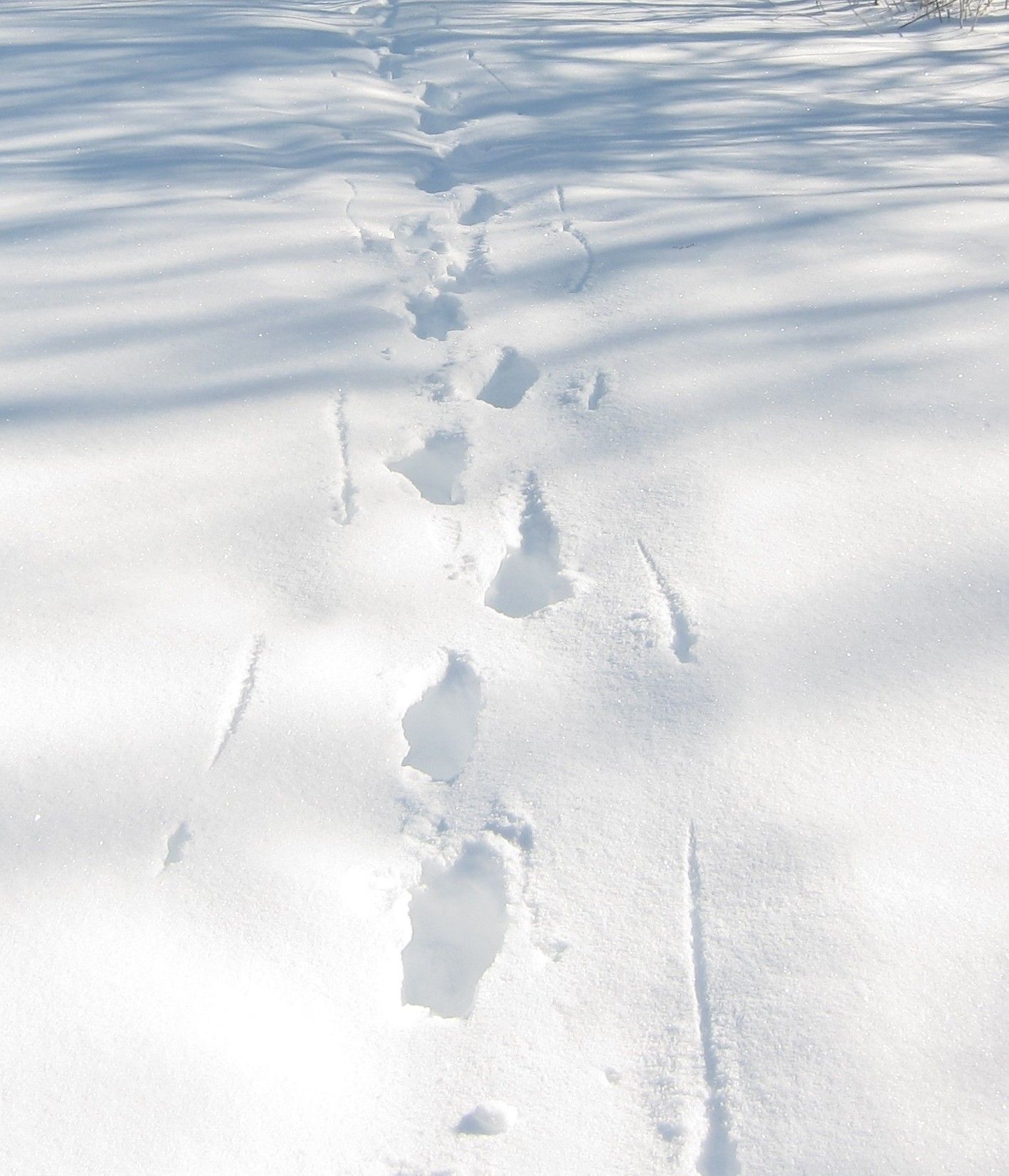
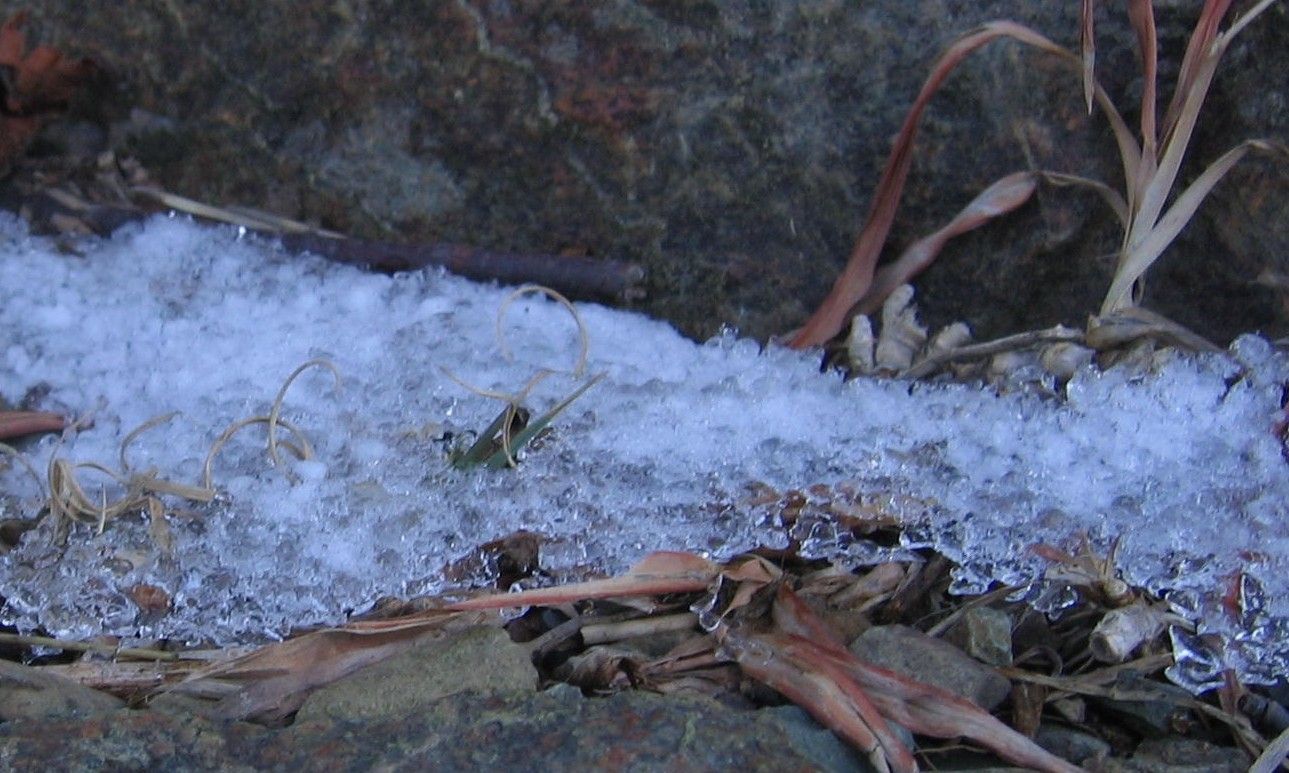
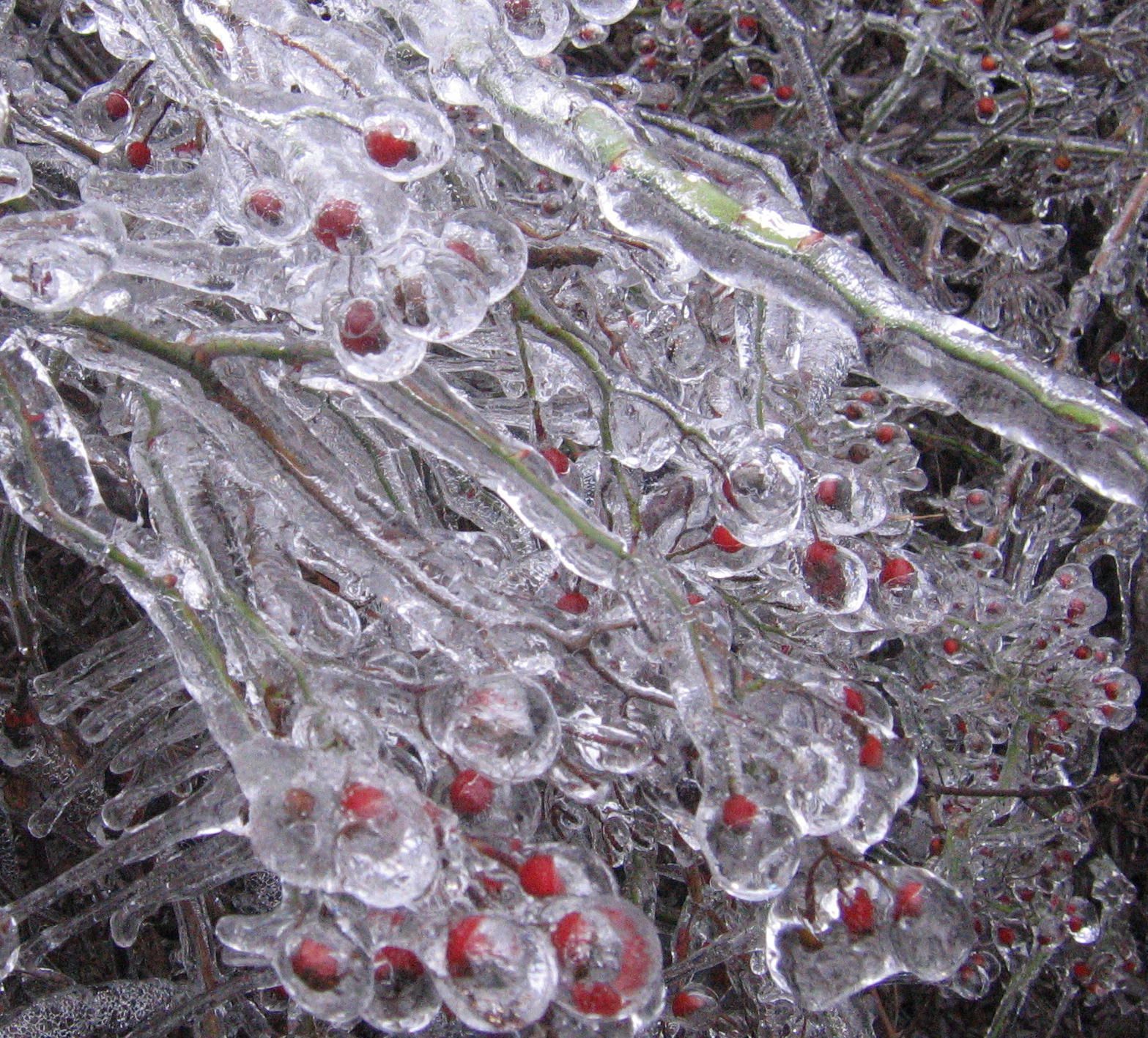
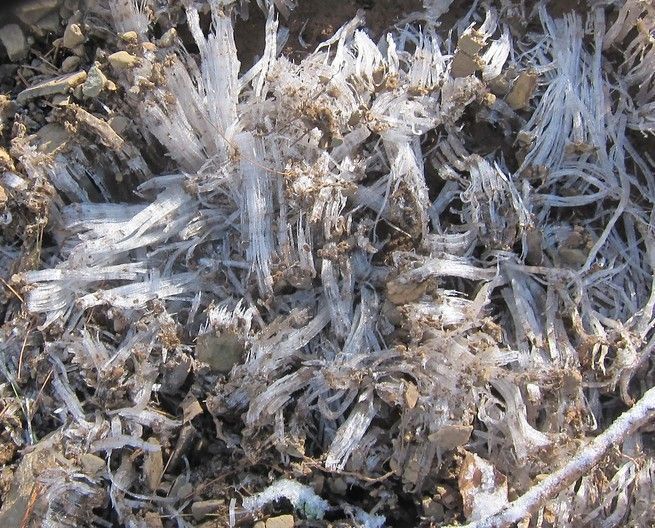
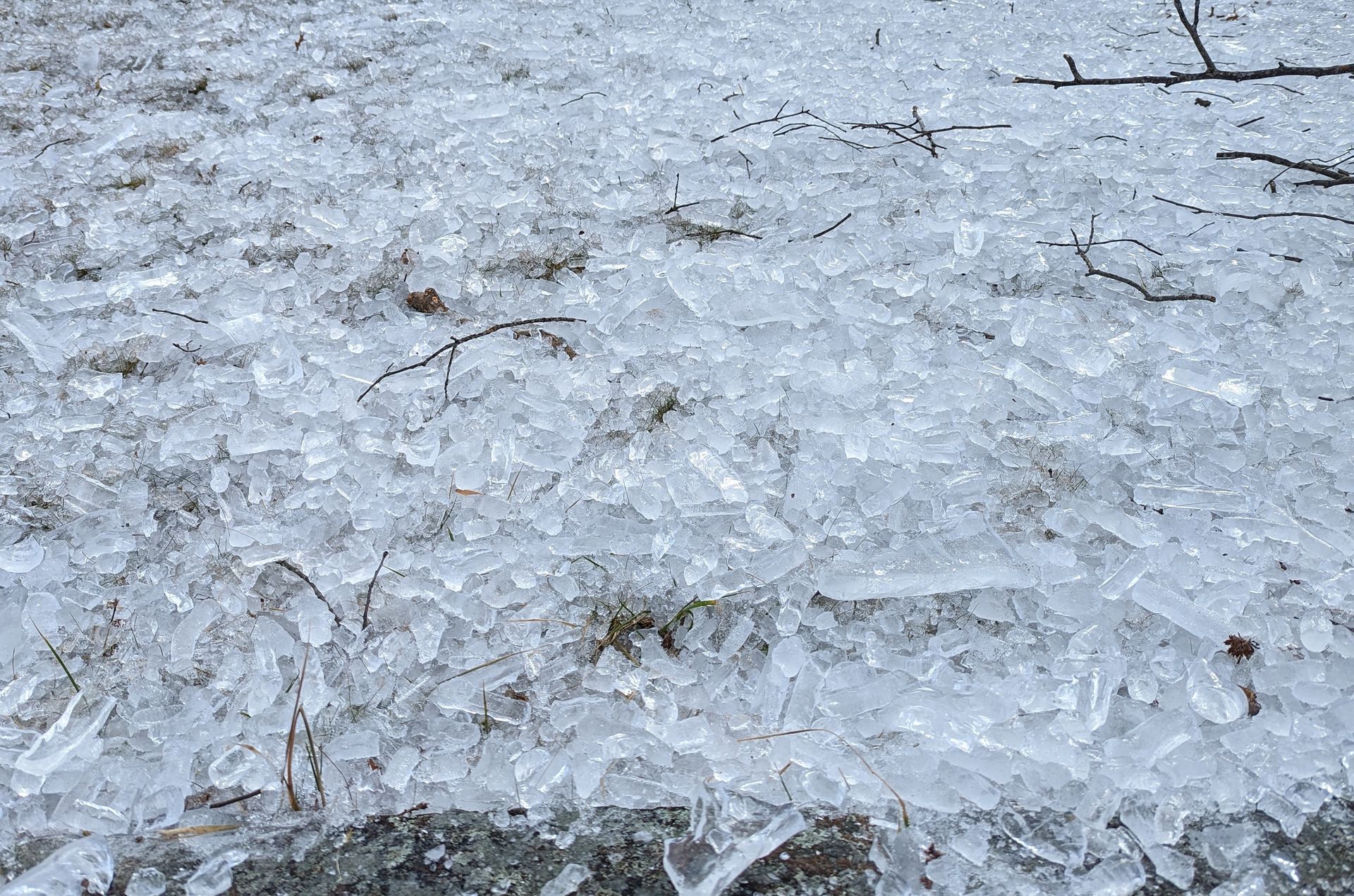
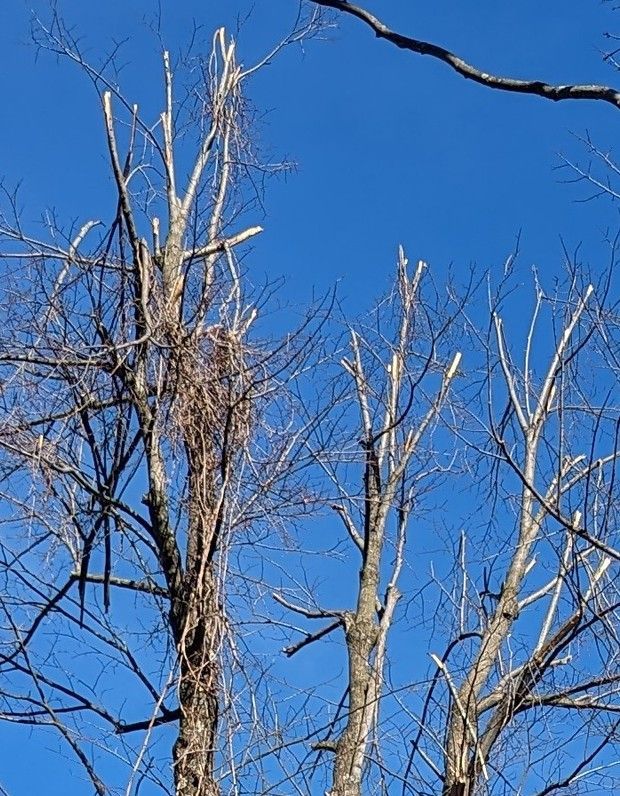
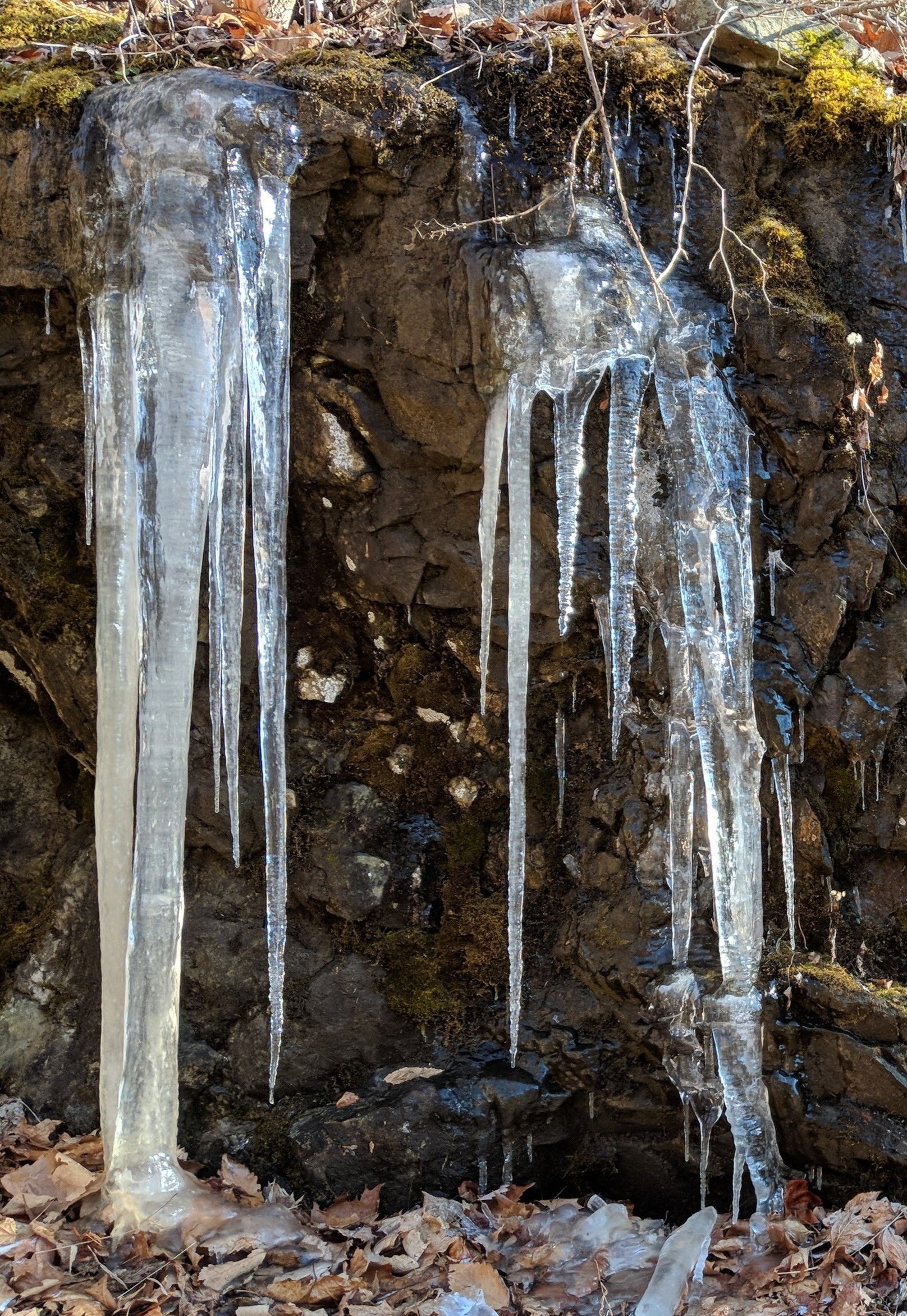
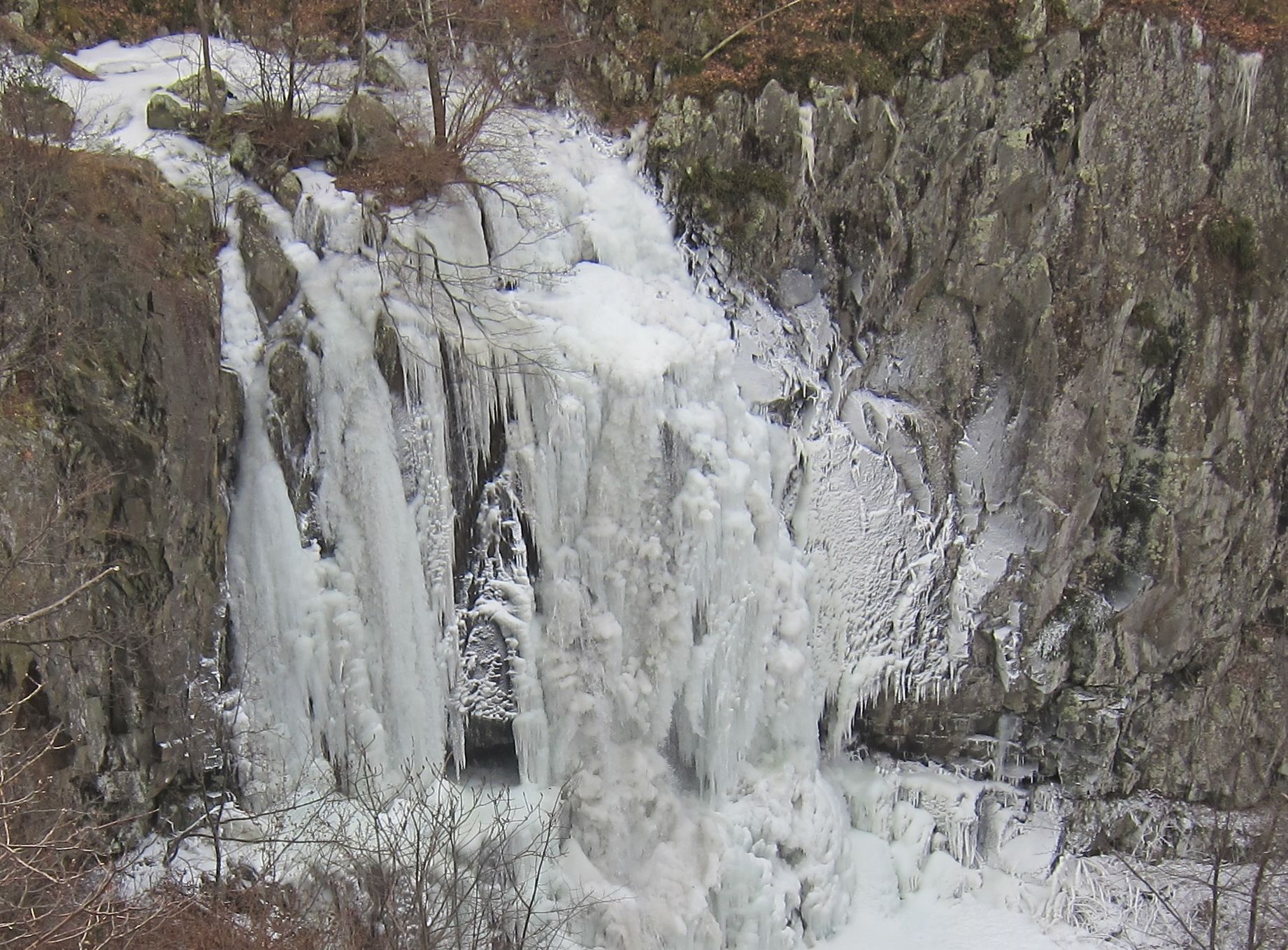
Water in its solid forms shows up in many forms along PATC trails.
Snow is formed when moisture crystalizes around tiny dust or ice particles in the atmosphere if the air is cold enough. A snowflake is a single ice crystal that is large enough to fall through the Earth's atmosphere. Snow appears white in color despite being made of clear ice. This is because the many small crystal facets of the snowflakes scatter the sunlight between them.
Sleet (aka ice pellets) starts out as rain but freezes in the air before it hits the ground. Sleet lands as ice pellets, not as crystals like snow.
Graupel starts in the atmosphere as a snow crystal. If the snow crystal falls through a layer of very cold air with supercooled (below freezing but still unfrozen) water droplets, those droplets will condense and freeze on the snow crystal. What ends up on the ground is a snow crystal loosely covered in frost or rime ice. Graupel balls are lighter and less dense than sleet which tends to bounce when it hits hard surfaces.
Hail is distinct from sleet and graupel, though they are often confused. It consists of balls or irregular lumps of ice, each of which is called a hailstone. Hail starts out when moisture in the lower atmosphere is pushed vertically higher (often by a large thunderstorm) until it reaches air cold enough to cause it to freeze. When it gets heavy enough, it falls back toward the earth, usually attracting more moisture which freezes and forms a larger hailstone. In severe storms, a descending hailstone can be pushed back up where it accumulates more ice, falls, and gets pushed back multiple times. The more times this happens, the larger the hailstone. Sleet generally falls in cold weather, while hail growth is greatly inhibited during low surface temperatures and is usually formed in warm weather.
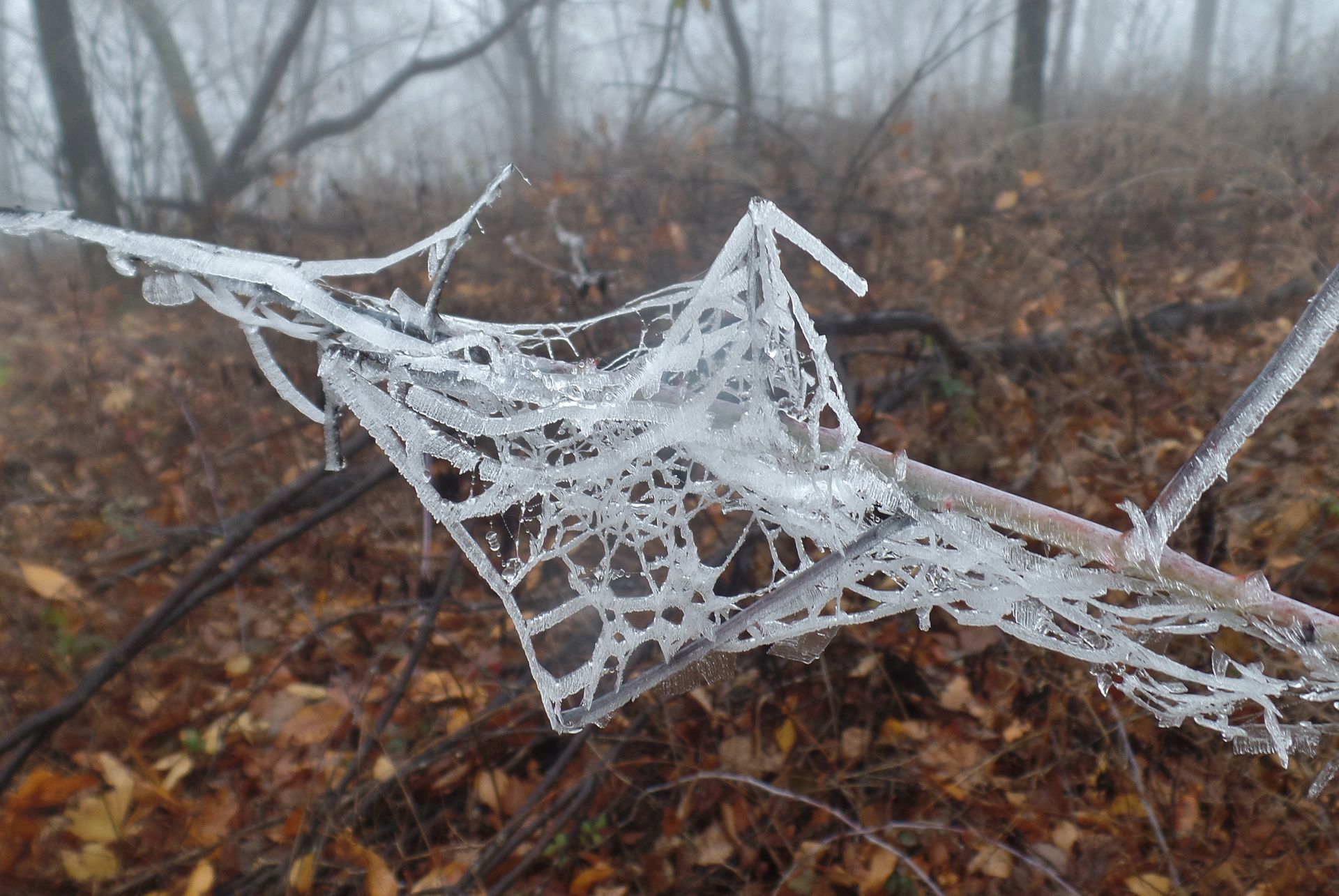
Freezing rain starts out as rain and continues as such until it hits a cold surface and freezes. It freezes clear, and when this happens on a road it’s called black ice, which is an extremely dangerous condition for drivers. Less than a quarter inch of freezing rain on trees can bring limbs or entire trees crashing to the ground due to the weight of the accumulated ice. Beautiful to look at, but to be avoided at all costs.
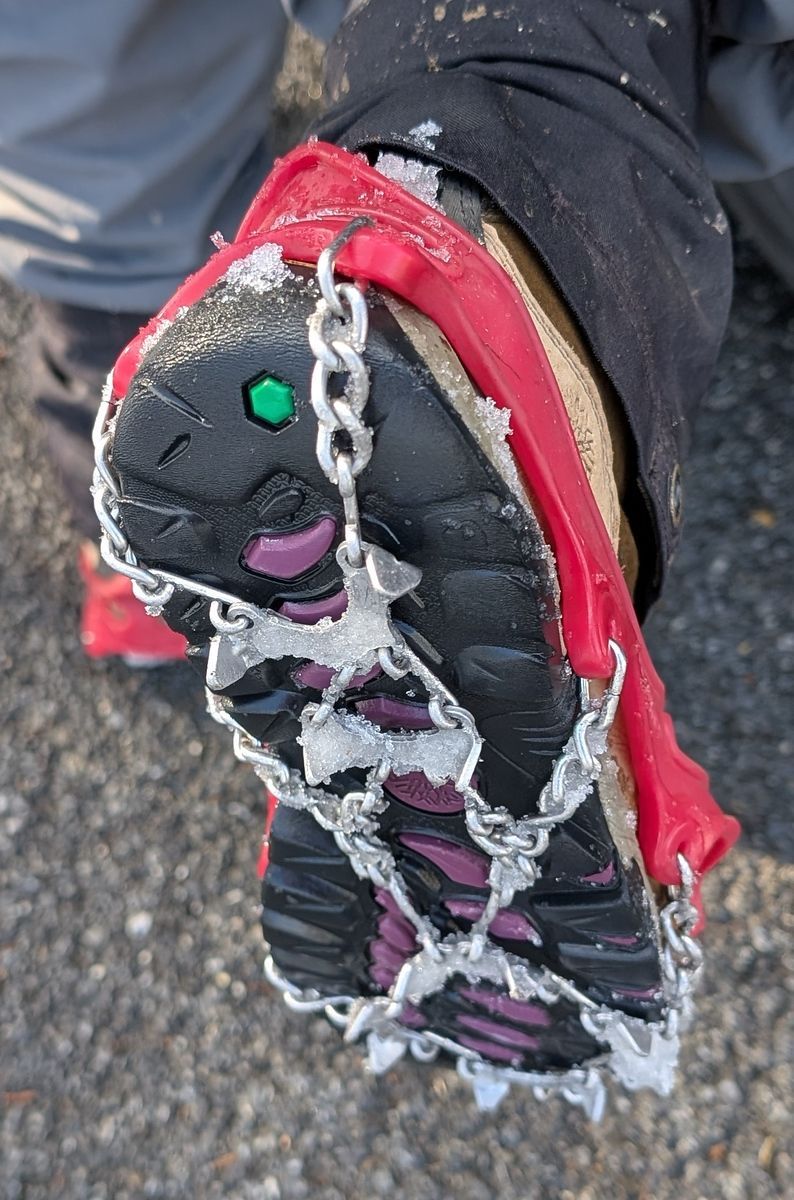
Any of the above conditions can make walking/hiking treacherous. Fresh snow becomes slippery as it melts and refreezes or is packed down.
Needle ice is a needle-shaped column of ice formed by groundwater. Needle ice forms when the temperature of the soil is above freezing (0°C/32°F) and the surface temperature of the air is below freezing. Liquid water underground rises to the surface by capillary action and then freezes and contributes to a growing needle-like ice column. For more details see William Needhams “Hikers Notebook” article (https://hikersnotebook.blog/needle-ice-update/).
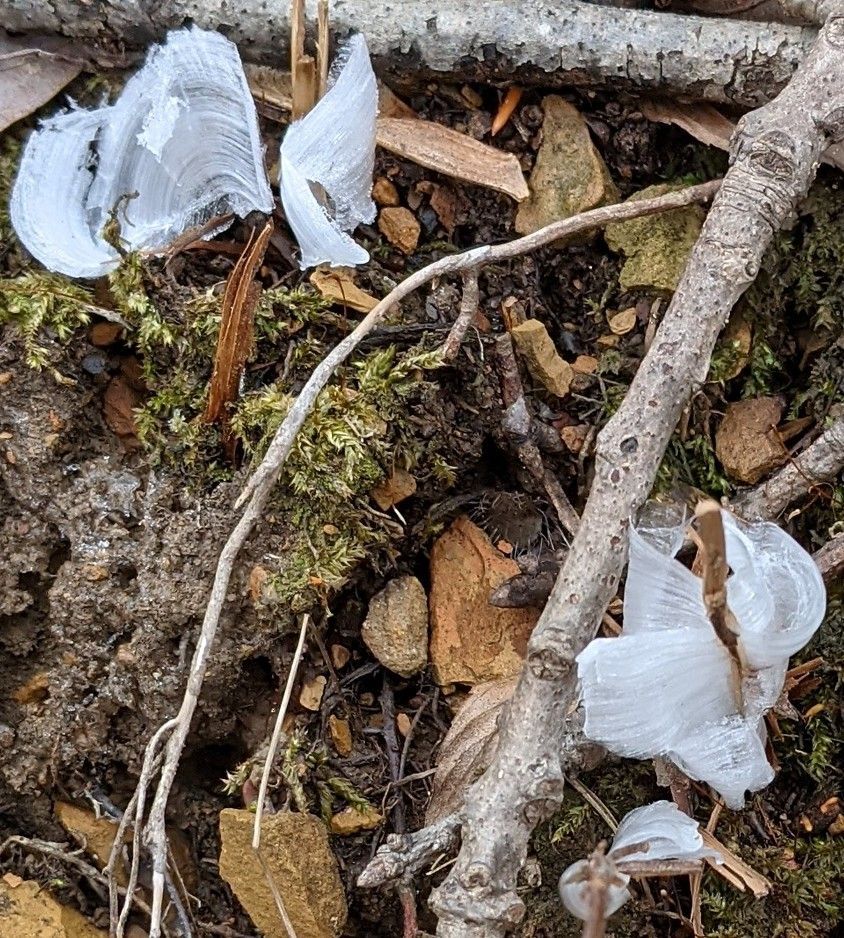
An ice ribbon, frost flower, or ice flower is formed when thin layers of ice are extruded from long-stemmed plants. The thin layers of ice are often formed into exquisite patterns, curling into "petals" which can resemble flowers. The sap in the stem of the plants will expand (water expands when frozen), causing long, thin cracks to form along the length of the stem. Water is then drawn through these cracks via capillary action and freezes upon contact with the air. As more water is drawn through the cracks it pushes the thin ice layers further from the stem, causing a thin ribbon or petal to form.
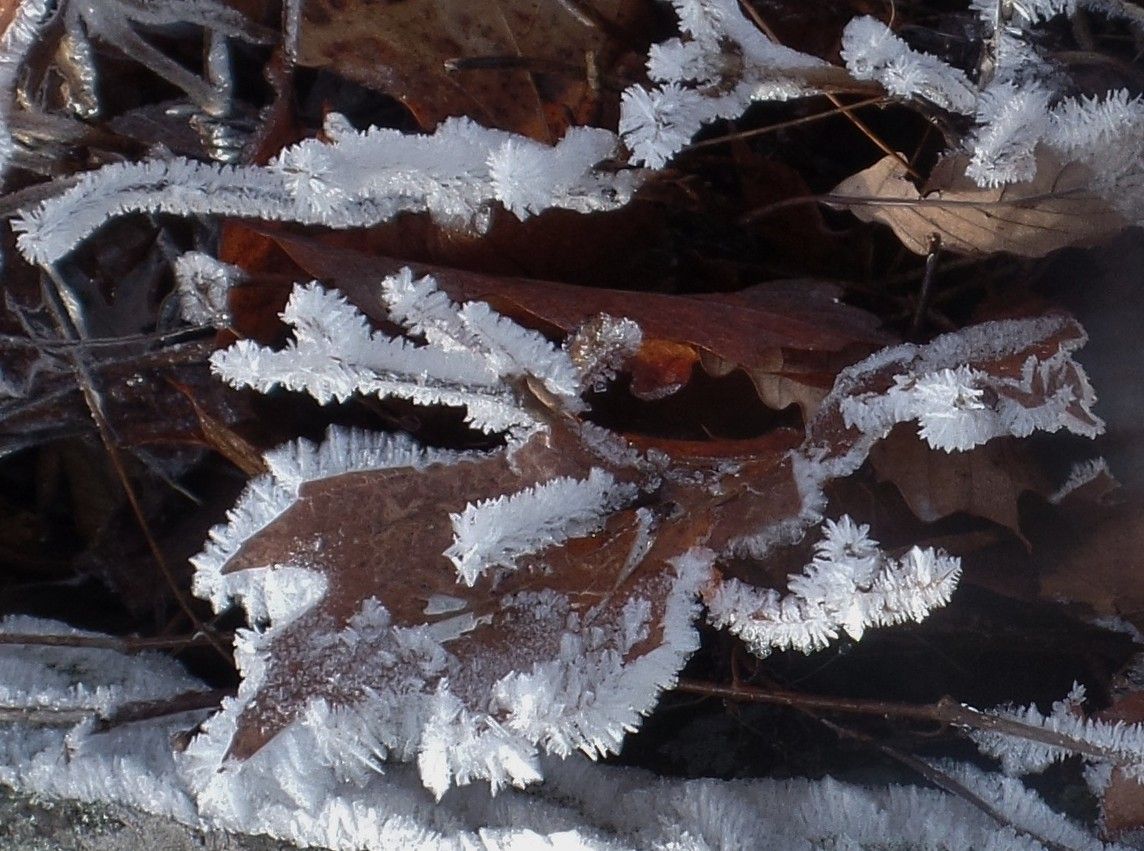
Hoarfrost forms when water vapor in the air condenses on cold surfaces on clear, windless nights. The hoarfrost crystals freeze directly from the vapor state and do not turn into liquid water in the process. It forms delicate needle-like crystals. It requires a surface colder than the surrounding air, which is why we see it more typically on thin branches, leaves, and needles rather than on trunks or rocks that have large surface areas relative to their volumes so they cool quickly relative to the surrounding air. Hoarfrost does not form from fog or low clouds. Fog consists of liquid water droplets, not vapor.
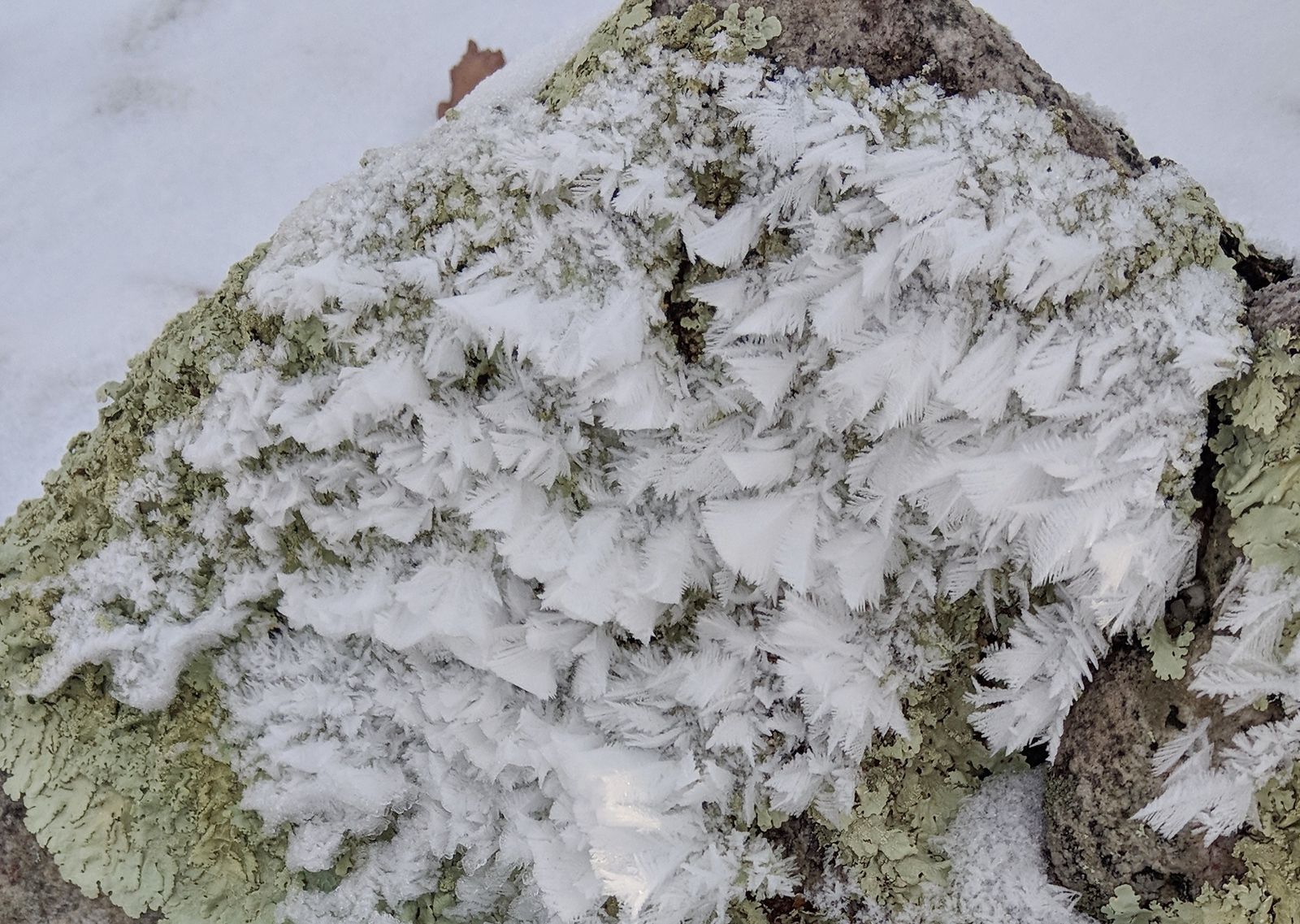
Rime ice forms in foggy or cloudy conditions when the water droplets in the air freeze on cold surfaces. While in the right conditions its crystals can resemble hoarfrost, most occurrences of rime ice will be thicker and will coat the entire surface more evenly. Rime ice crystals tend to resemble feathery snow crystals rather than needles, and, unlike hoarfrost, can build up over time as long as the foggy and cold conditions persist. Hoarfrost doesn’t weigh down its host structure. Rime ice can build up enough to break tree limbs or down power lines.
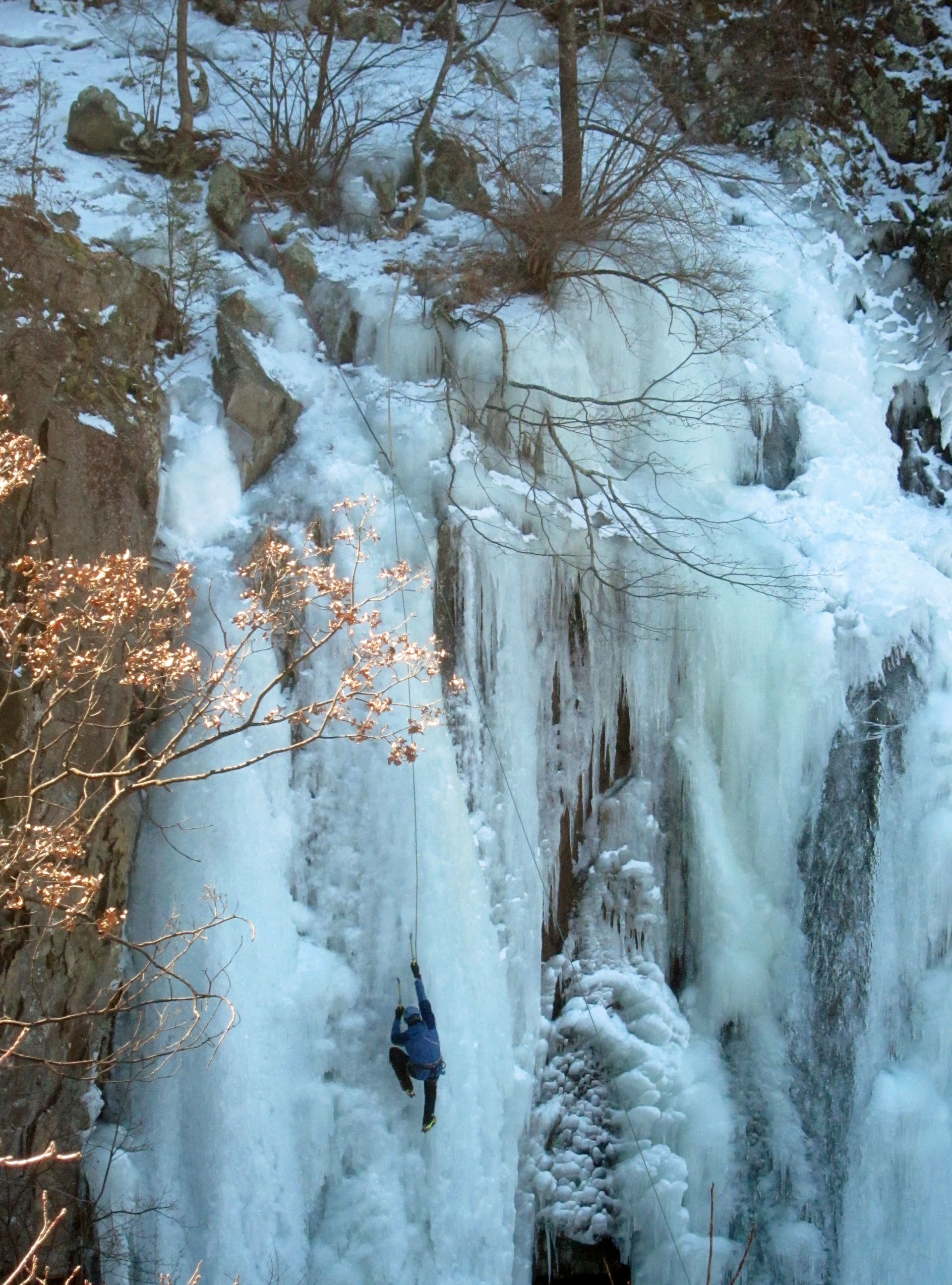
An icicle is a tapering spike of ice formed when dripping water freezes as it falls creating a cone-like structure that grows longer and thicker with each layer of water. When temperatures fall near 0°F whole waterfalls can freeze.
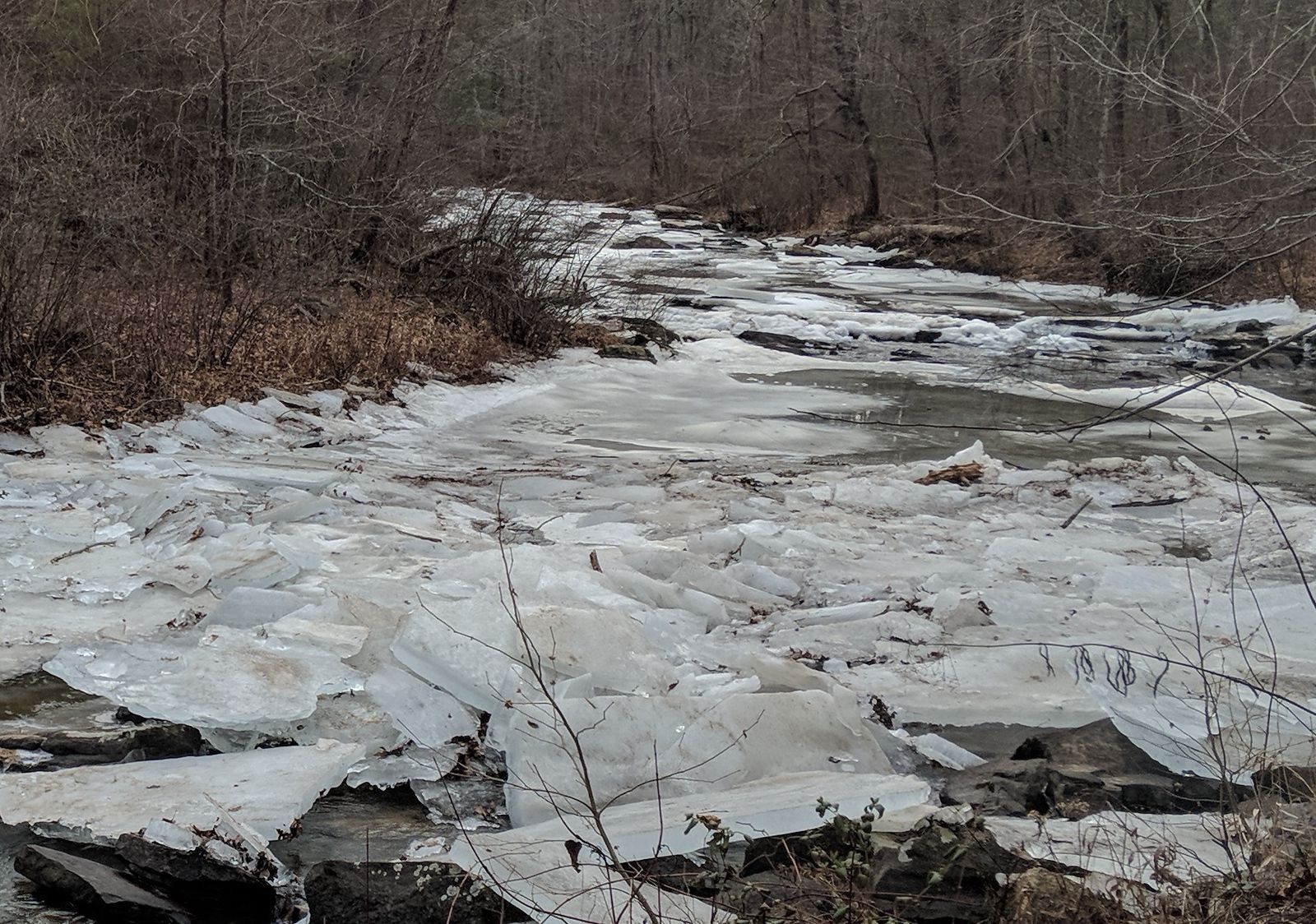
Of course, the surface of any body of water can freeze when the temperature is low enough.