A Century of Volunteers
By Christopher Ede-Calton
Top Row: Photos from the PATC Archives
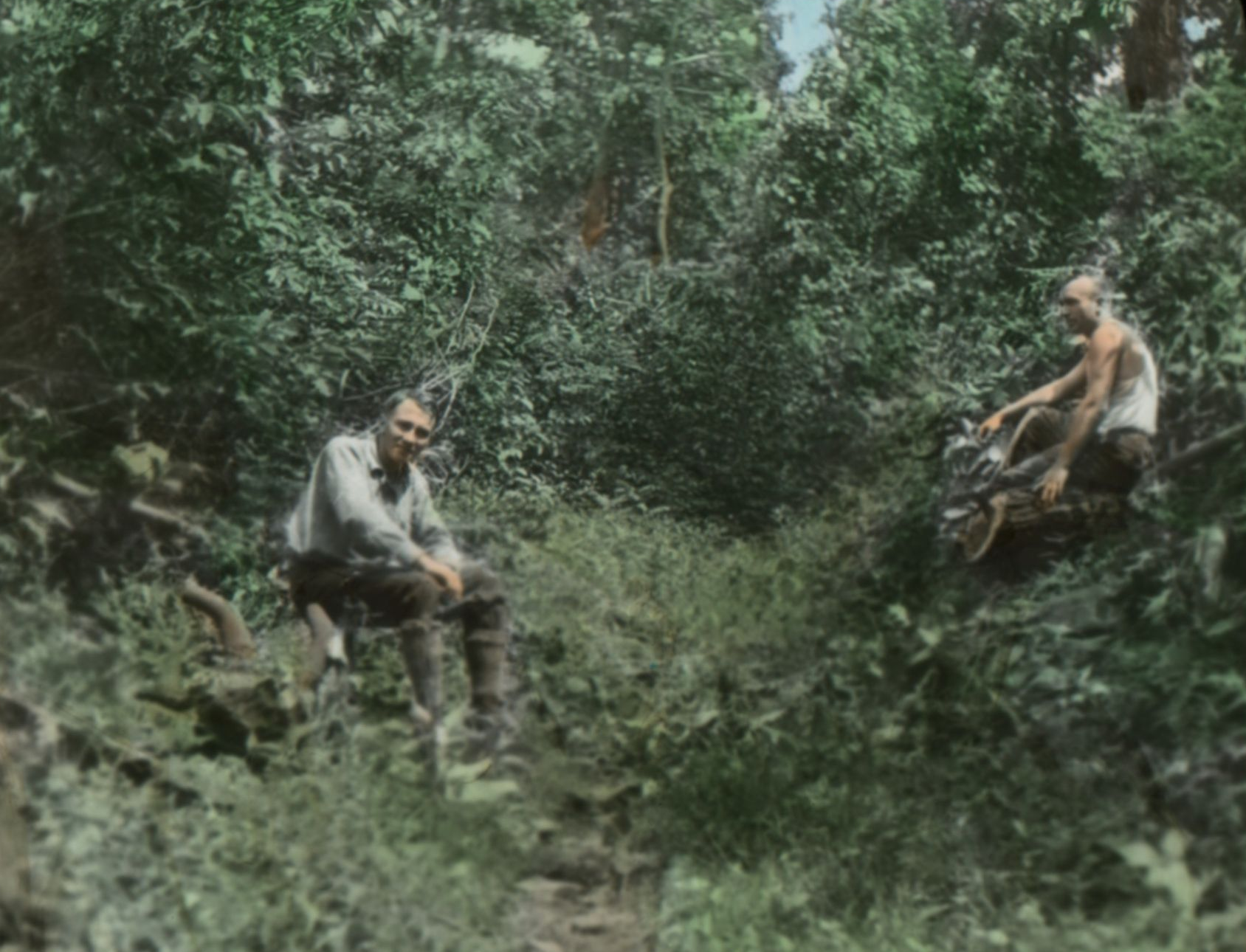
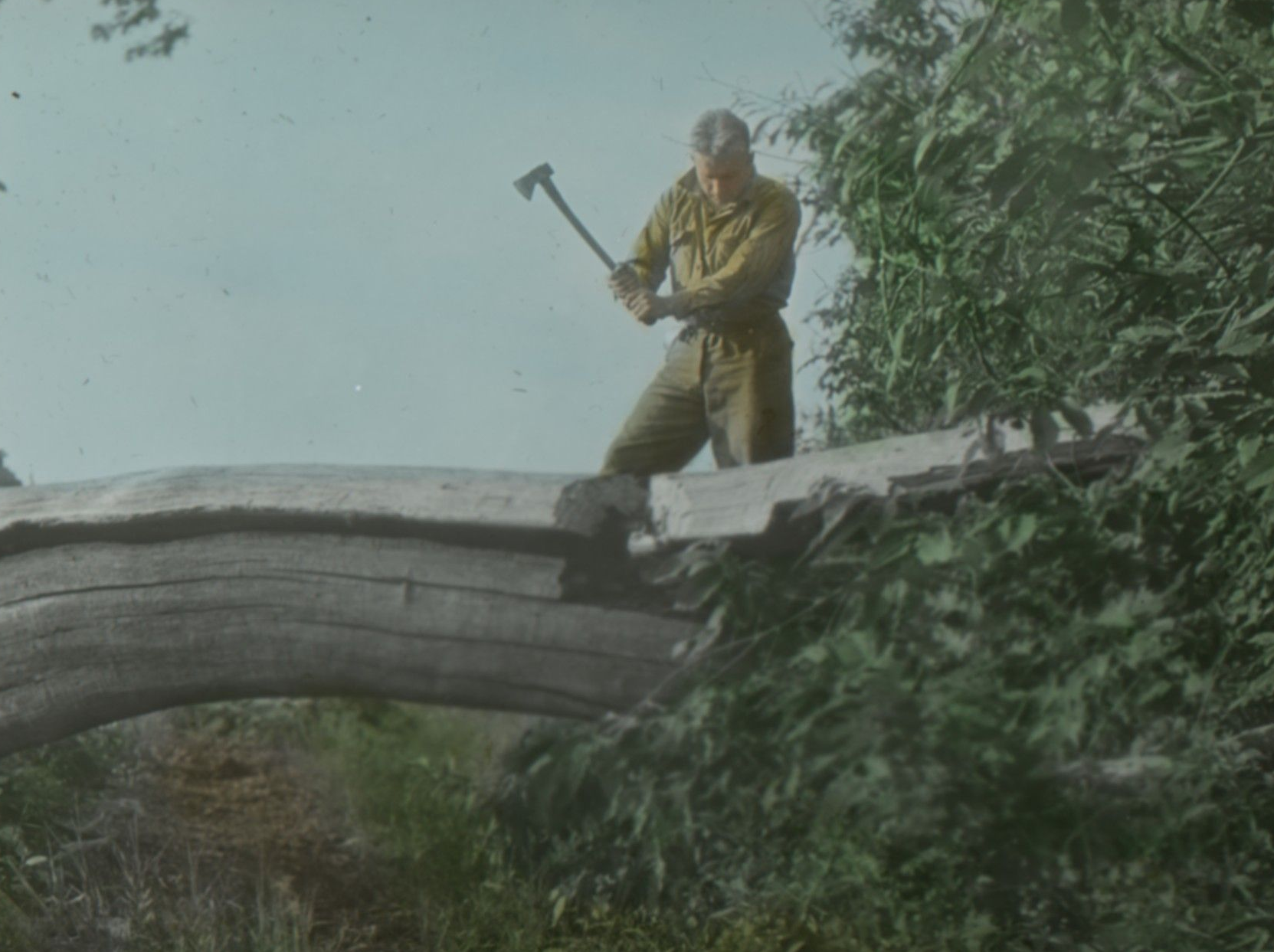
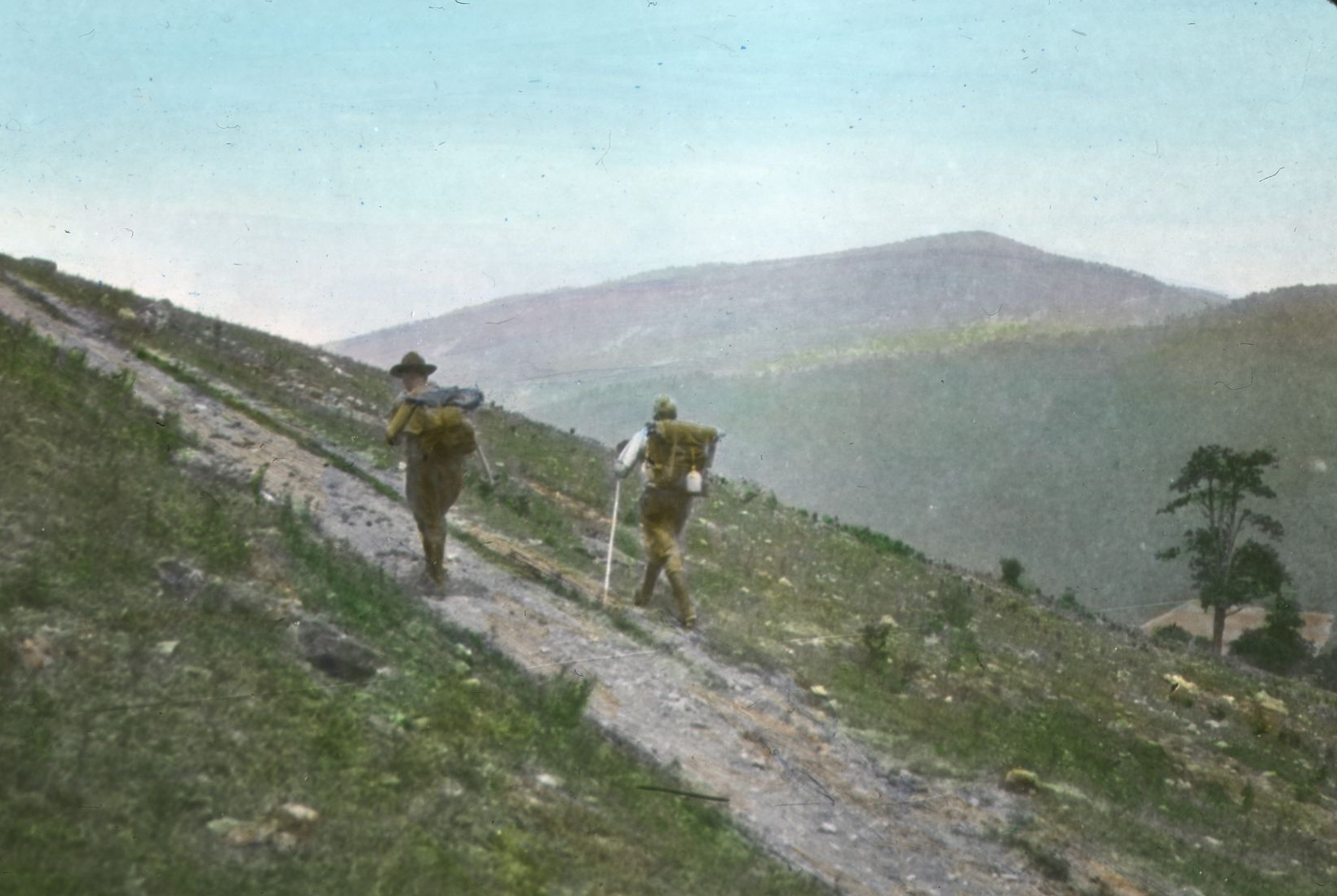
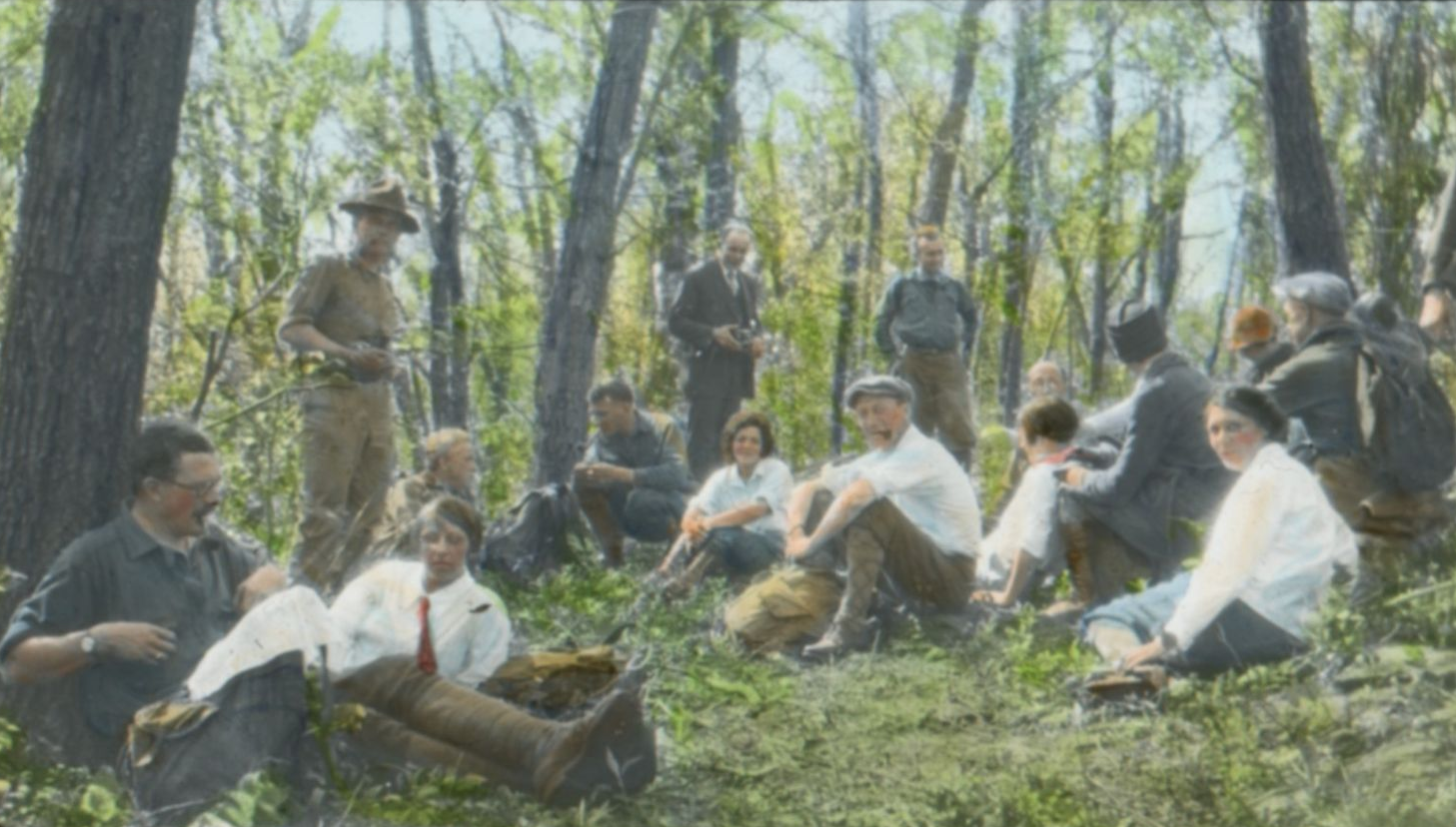
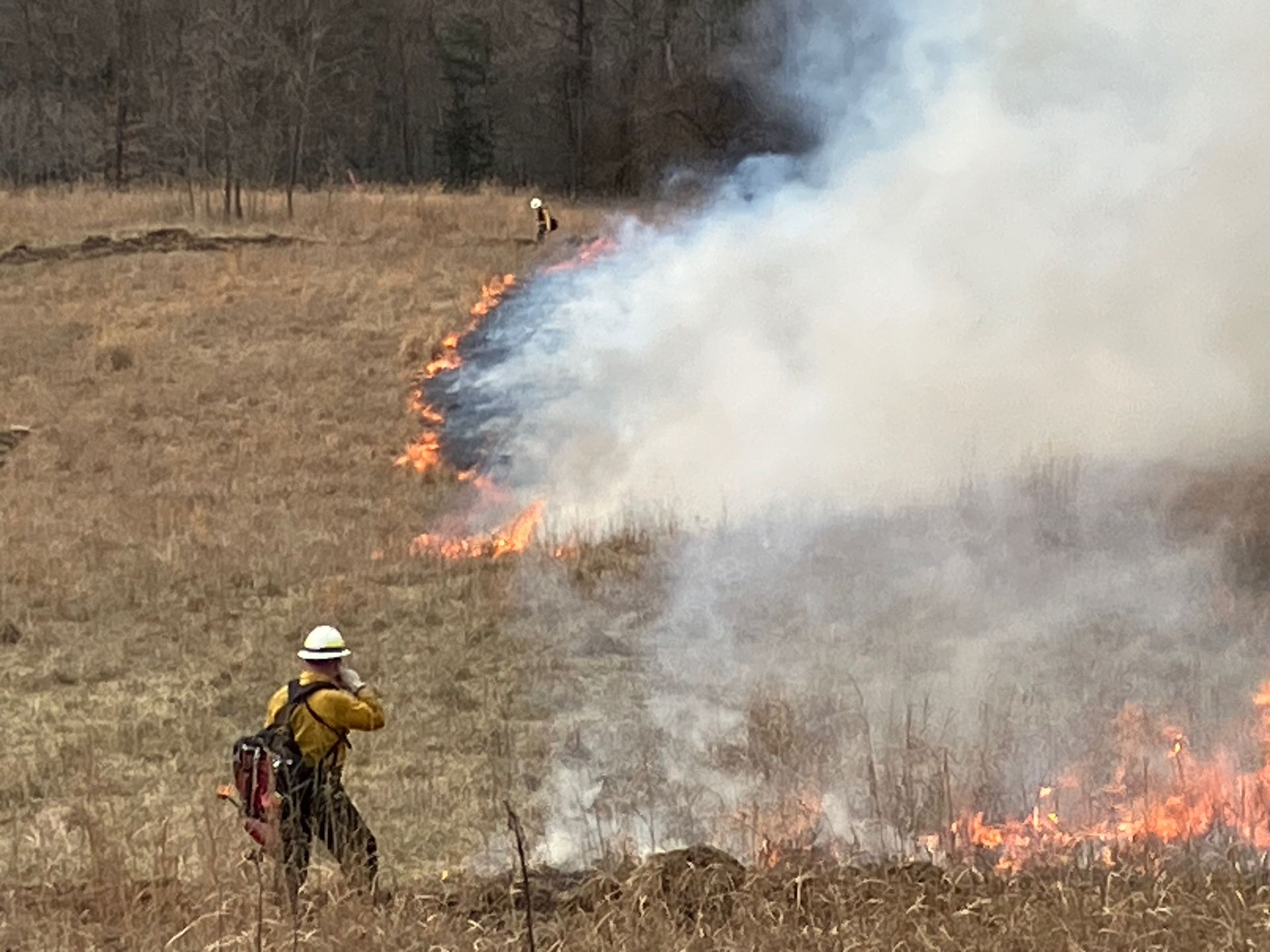
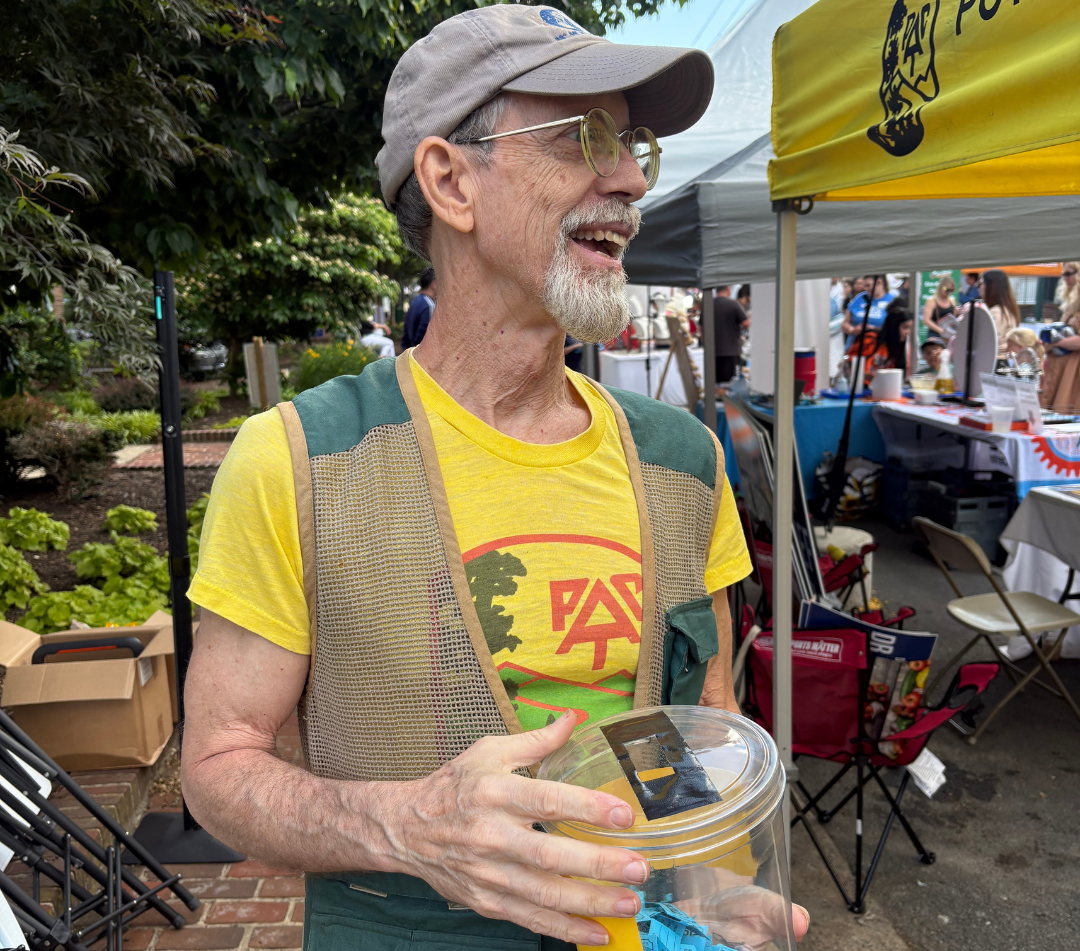
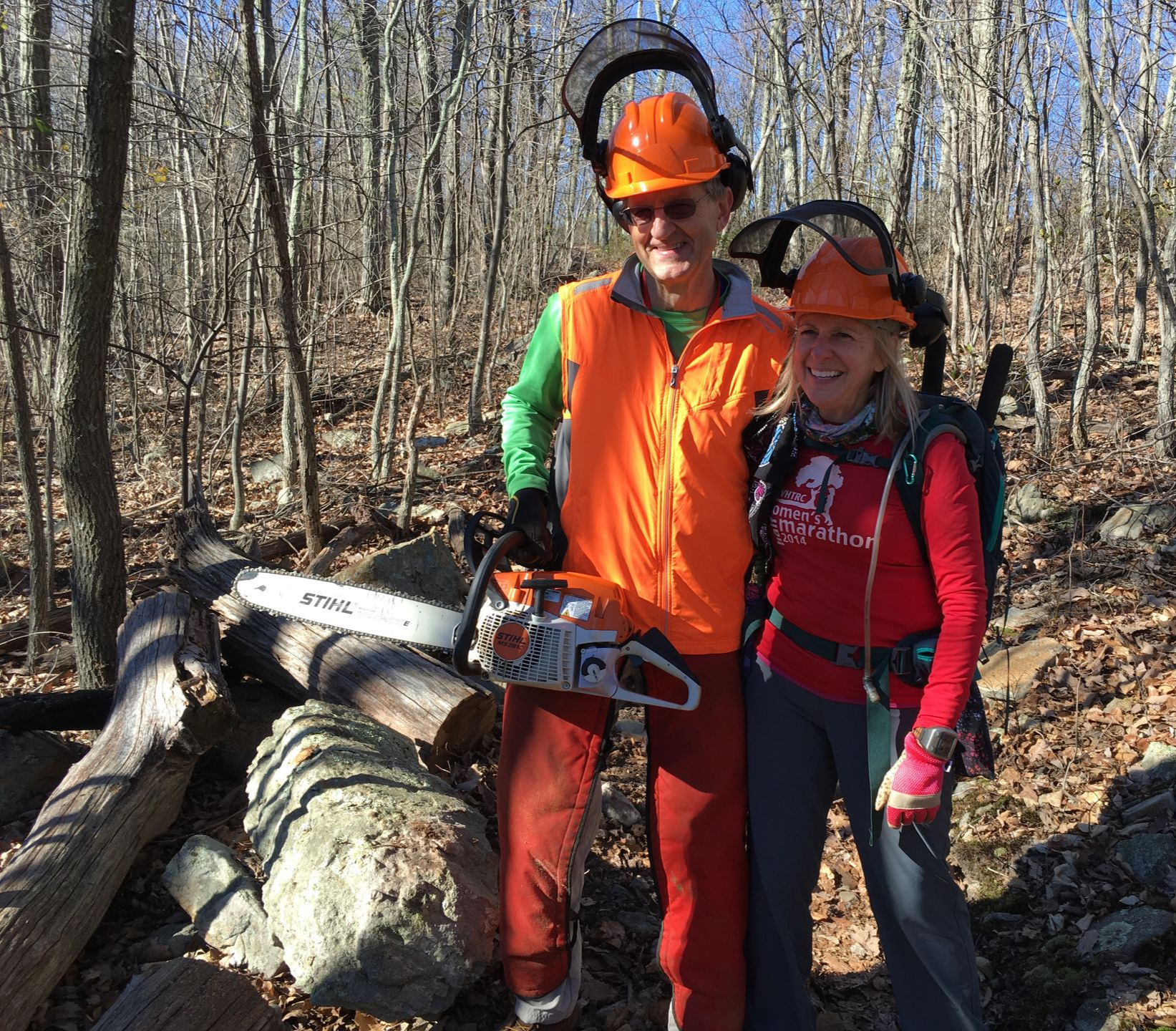
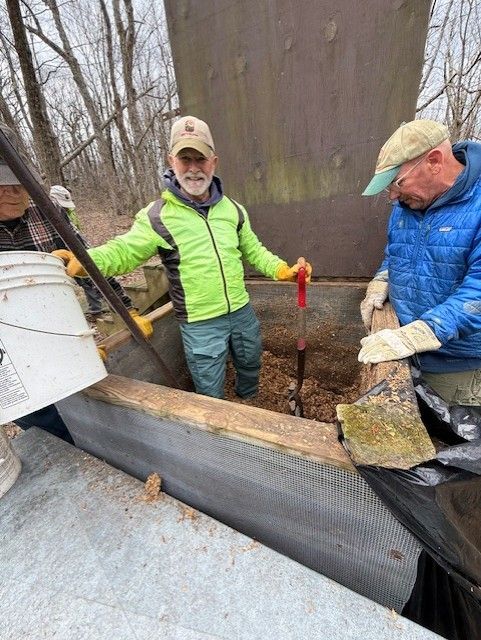
Bottom Row: PATC Volunteers in recent years
In 1927, Calvin Coolidge sat in the White House. A movie ticket cost a quarter. The AT existed as a line on Benton MacKaye’s 1921 map and almost nowhere else on the ground. That November, a small group of hikers met in Washington and decided the line on the map was not enough. They formed the Potomac Appalachian Trail Club and went into the Virginia and Maryland mountains with axes. They were not paid. They went anyway. A hundred years later, we are still going.
In 2027, PATC turns 100. The theme is the only one that fits the actual story: Celebrating 100 Years of Volunteers.
Civic membership organizations do not, as a rule, last this long. Since at least 2000, social scientists have bemoaned the collapse of American civic life: bowling leagues, fraternal lodges, women's clubs, parent-teacher groups, civic associations of every kind, all of them quietly emptying out. (Robert Putnam called it Bowling Alone.) PATC did not empty out. Members kept arriving through the Depression, the Second World War, the Cold War, the rise of television, the interstate, the internet, and every cultural shift that was supposed to make seven thousand strangers building hiking trails together obsolete. The trees still fell. The trail still needed clearing. The volunteers still came.
PATC connects people to the outdoors through volunteer service, educational, and recreational opportunities. We care for 1,200 miles of hiking trails, 49 rental cabins, and 45 hiking shelters spread across 45,000 square miles of the Mid-Atlantic. We work alongside 16 national Parks, two National Forests, and a long list of state and local park and forest partners. More than 7,100 members carry the organization. Almost everything we do is done by people who have other jobs and choose to spend a Saturday with a Pulaski instead.
This is the through-line of the centennial: the trail crews who came back after every hurricane, ice storm, and government shutdown; the cabin overseers who replaced floorboards on their own dime; the ridgerunners who walked the same ten miles for a season so a stranger they would never meet could have a better hike. The hike leaders, the shelter caretakers, the Trail Patrol, the chapter chairs, the office volunteers who picked up the phone on a Tuesday morning. None of them were paid. All of them came back. What they have been doing has a name: selfless stewardship. The mostly unrewarded, mostly unseen care of land we do not own, on behalf of hikers who will never know who maintained it. A hundred years of it is what the centennial is celebrating.
Three programs anchor the centennial year, and each has its own article in this issue.
CentennialFest is the headline gathering. Iva Gillet and Jayne Mayne are planning it.
The Centennial Hike Challenges invite members to cover all 1,200 miles of PATC trail, individually or as part of a team in eighteen months. Iva Gillet explains how it will work.
The Centennial T-shirt Contest opens design submissions explained by Lindsey Scannell.
More is on the way. Chapters are planning their own events. Matt Waurio is running PATC’s community history project, where we want to hear from volunteers and members whose stories the rest of us have not yet heard. PATC will show up at trail festivals across the region through 2026 and 2027. A new centennial logo will start appearing on club materials this summer.
What we are asking from you in 2026 and 2027 is what PATC has asked since 1927: SHOW UP. Maintain a section of trail. Lead a hike. Bring a friend to a work trip. Submit a t-shirt design. Walk a hundred miles, or twelve hundred. Send Matt a story we do not yet have on file. And, as always, connect with people and the outdoors.
The next hundred years are not guaranteed. The last hundred were not, either. They happened because volunteers kept showing up. Help us make the centennial look like the century that earned it.
If you have questions, suggestions, members we should consider for our community history project, articles you are willing to write, reach out to Jayne Mayne JMayne@patc.net.